


dinovessels79
About dinovessels79
Understanding Metals IRA: A Case Research on Investing In Treasured Metals

On the earth of investment, diversification is a key principle that may also help mitigate dangers and enhance returns. One of many emerging tendencies on this space is the incorporation of metals into individual retirement accounts (IRAs). This case examine explores the idea of Metals IRA, focusing on its advantages, challenges, and overall impact on retirement planning.
What’s a Metals IRA?
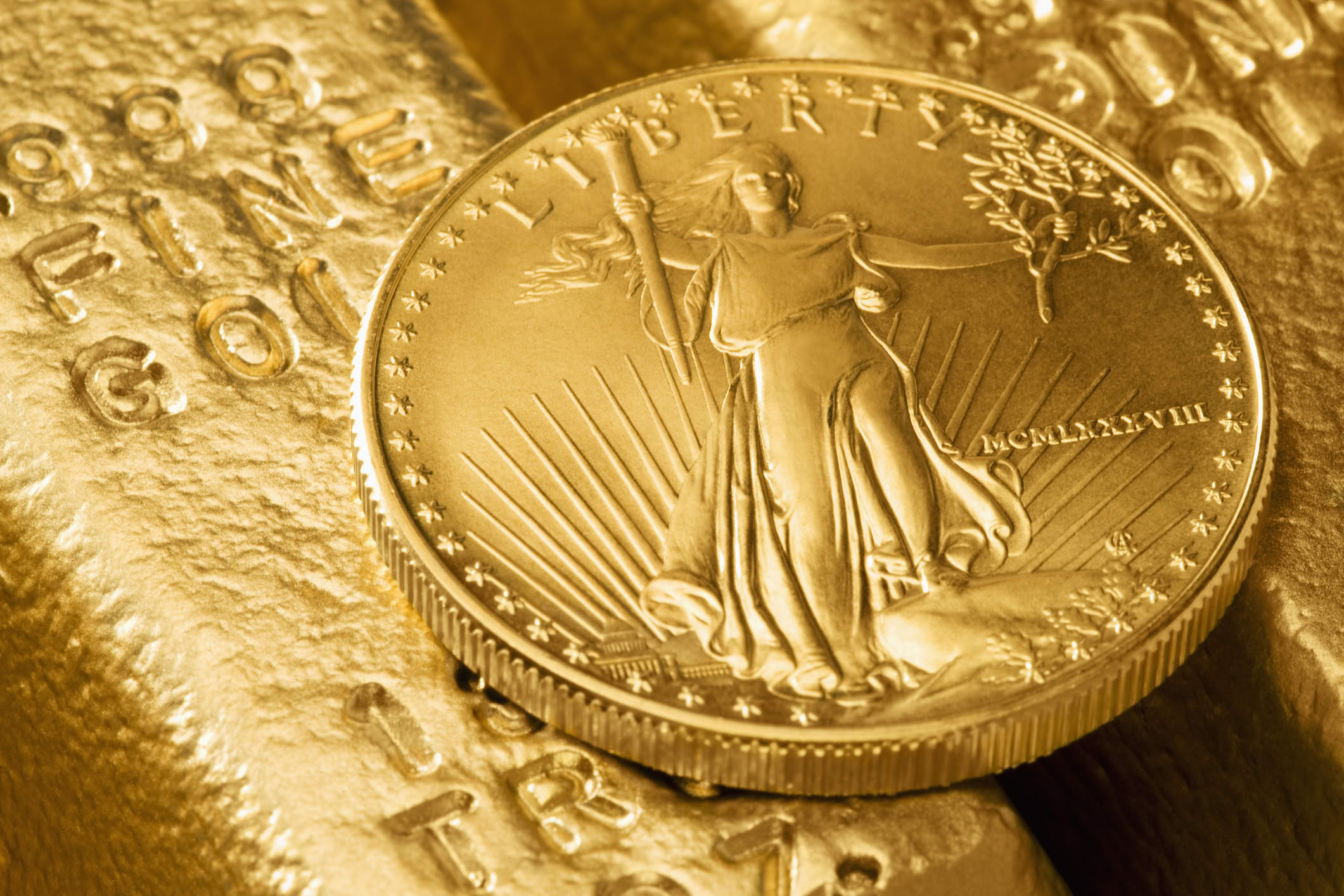
A Metals IRA, also known as a Precious Metals IRA, allows traders to carry bodily treasured metals—such as gold, silver, platinum, and palladium—in a self-directed retirement account. Unlike traditional IRAs that usually hold paper assets like stocks and bonds, a Metals IRA presents a tangible asset that may present a hedge towards inflation and financial downturns.
Historical Context
The allure of precious metals as a retailer of worth dates again hundreds of years. Traditionally, gold and silver have been used as forex and symbols of wealth. When you loved this short article and you want to receive more details with regards to homepage please visit our own page. In recent times, the volatility of inventory markets and economic uncertainties have led investors to seek different assets, making Metals IRAs increasingly common. In accordance with a report by the World Gold Council, demand for gold in funding types surged as buyers seemed for safe havens throughout financial instability.
Benefits of Metals IRA
- Inflation Hedge: Treasured metals are sometimes viewed as a hedge towards inflation. As the worth of paper currency declines, the intrinsic value of metals tends to rise. For instance, in the course of the inflationary period of the 1970s, gold prices soared, providing a buffer for traders.
- Portfolio Diversification: Together with metals in a retirement portfolio may help unfold threat. While stocks and bonds might be highly correlated, precious metals typically behave otherwise, providing stability during market fluctuations.
- Tangible Asset: Unlike stocks or bonds, valuable metals are physical assets. This tangibility can provide peace of thoughts for investors who desire to have their wealth in a kind they will see and touch.
- Tax Benefits: Like traditional IRAs, Metals IRAs offer tax-deferred development. This means traders can grow their investments without paying taxes until they withdraw funds during retirement.
Challenges and Issues
Regardless of the benefits, investing in a Metals IRA comes with its own set of challenges:
- Higher Charges: Establishing a Metals IRA can involve higher fees compared to conventional IRAs. This contains setup charges, storage charges for the physical metals, and potential transaction fees when buying or selling.
- Limited Investment Options: Not all metals qualify for inclusion in a Metals IRA. The IRS has particular pointers concerning the varieties of treasured metals that can be held in these accounts. As an illustration, only sure bullion coins and bars are eligible.
- Storage and Security: Physical metals should be stored in an accredited depository, which may add to the general cost and complexity of managing a Metals IRA. Buyers want to ensure that their belongings are safe and insured.
- Market Volatility: While treasured metals can provide a hedge against inflation, they aren’t immune to market volatility. Prices can fluctuate based on various elements, including geopolitical events, adjustments in demand, and market hypothesis.
Case Research: The Smith Household
For instance the sensible application of a Metals IRA, let’s consider the Smith family, who decided to diversify their retirement portfolio by incorporating precious metals.
Background: The Smiths are a middle-aged couple with a standard IRA invested primarily in stocks and bonds. After observing the volatility in the inventory market and rising inflation charges, they sought recommendation from a financial advisor on how to guard their retirement financial savings.
Resolution-Making Process: After thorough research and discussions with their advisor, the Smiths determined to open a Metals IRA. They had been particularly excited about gold and silver as a result of their historic efficiency throughout financial downturns.
Implementation: The Smiths selected a good custodian to handle their Metals IRA and chosen a mixture of gold bullion coins and silver bars that met IRS necessities. They have been aware of the associated fees but felt the long-time period advantages outweighed the costs.
Final result: Over the next few years, the Smiths monitored their Metals IRA intently. As the inventory market skilled fluctuations, the worth of their precious metals steadily increased, providing a counterbalance to their traditional investments. When they reached retirement age, the Smiths discovered that their Metals IRA had not only preserved their wealth however had also appreciated considerably, contributing to a more secure monetary future.
Conclusion
The case of the Smith family illustrates the potential of Metals IRAs as a viable investment technique for retirement planning. Whereas there are challenges related to investing in precious metals, the advantages of diversification, inflation safety, and tangible assets could make it an appealing possibility for a lot of investors.
Because the economic landscape continues to evolve, the demand for Metals IRAs is more likely to grow. Buyers ought to conduct thorough research and consult with financial professionals to find out if incorporating valuable metals into their retirement technique aligns with their monetary goals and risk tolerance. Ultimately, a Metals IRA can serve as a helpful instrument in building a safe and diversified retirement portfolio, providing peace of thoughts in unsure instances.
No listing found.